Leaders as First Responders

A New Way to Lead in a Chaotic World

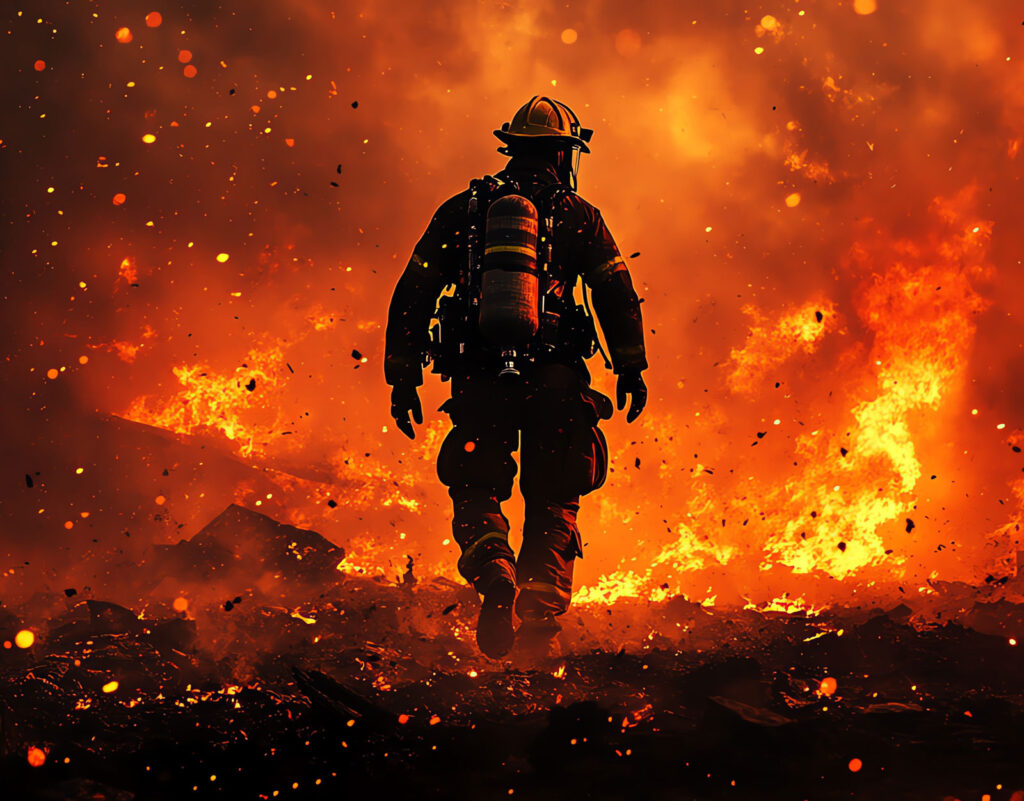
Say the phrase First Responder and you feel something. Urgency. Purpose. Courage. Presence.

You picture someone who runs toward the situation, not away from it.

What if leadership worked the same way?

In a world that’s moving faster, changing faster, and overwhelming people more than ever, the leaders who make the biggest difference aren’t the ones shouting orders from a safe distance.

They’re the ones who step into the moment, assess what’s truly happening, and bring clarity and calm when others are overloaded.

“A leader’s greatness is measured by how much better people feel after they’ve been in your presence.”

In every meaningful way, the best leaders are First Responders.

They Run Toward the Moment

A First Responder never hesitates. They don’t wait for someone else to fix what’s unfolding, and they don’t worry about how it will look. They step forward because attention and action are needed now.

Great leaders share this instinct. When confusion rises, energy drops, or a team gets stuck, they lean into the moment. They bring courage and presence instead of distance and delay.

They Diagnose Before They Act

No First Responder storms into a scene barking commands. They pause long enough to see clearly. They scan the environment, read the signals, and understand what’s actually needed before taking action.

The best leaders do the same. They perform a kind of leadership triage – clarifying what matters most and what stabilizes the situation fastest. This is the Gap in the Stimulus → Gap → Response → Result model, the space where awareness turns into intelligent action.

They Focus on What the Situation Needs-Not Themselves

First Responders aren’t performing. They’re not trying to earn credit or protect their image. Their energy flows outward.

“What does this moment require? What does this person need right now?”

Significance-driven leaders take the same stance. They choose service over self. Their ego steps aside so their purpose can step forward.

They Believe Every Person Is Worth Helping

HOLD THE LINE by Beti Kristof and A.D. Cook, acrylic and watercolor on canvas, 48″ x 36″ © 2020

A defining characteristic of a First Responder is their unwavering belief in the worth of the person they’re helping. There’s no judgment, no labels, and no frustration-just a steady, grounding presence that communicates, “You matter, and I’m here to help you through this.”

The best leaders carry that same conviction. They elevate others not because it’s easy, but because people deserve to be lifted – especially in their difficult moments.

Their Training Shows Up When Pressure Hits

When stress spikes and emotions run high, average leaders fall back into old habits.
First Responders fall into training.

This is where self-development pays off – mission statements, rehearsed behaviors, neural network rewiring, the smile exercise, the 6 C’s. These tools become a leader’s muscle memory. Under pressure, they don’t default to fear or reactivity; they default to clarity, steadiness, and purpose.

The Outcome That Makes This Model So Powerful

“You don’t need a uniform to be a First Responder. You just need the courage to show up when someone needs you.”

What First Responders do isn’t just tactical – it’s transformational.

When things go well, both the person being helped and the leader walk away elevated. The individual feels supported and valued, and the leader feels the deep satisfaction of having made something better, clearer, or more possible.

And even when the outcome isn’t perfect, leaders who step in with clarity, commitment, courage, and compassion still win. They walk away knowing, “I did my best.” That mindset creates resilience rather than regret.

Each moment becomes training for the next. Every interaction sharpens instincts, expands awareness, and strengthens the leader’s capacity. Over time, the probability of success increases because the leader is growing with every experience.

The New Standard of Leadership

Great leaders, like First Responders, aren’t chasing perfection. They’re not hiding from pressure or obsessing over ego. They’re showing up – with clarity, courage, humility, and purpose.

And because they do, they make the environments around them calmer, clearer, stronger, and more human.

“Leadership is not authority; it’s the quiet bravery of helping people feel capable enough to become their best.”

©

2025 © Franklin A. Mallinder. All rights reserved. Used by permission.

SHARE THIS STORY
Facebook
LinkedIn
Threads
Twitter [X]
Email
Print
MORE FROM THIS AUTHOR
Scroll to Top