
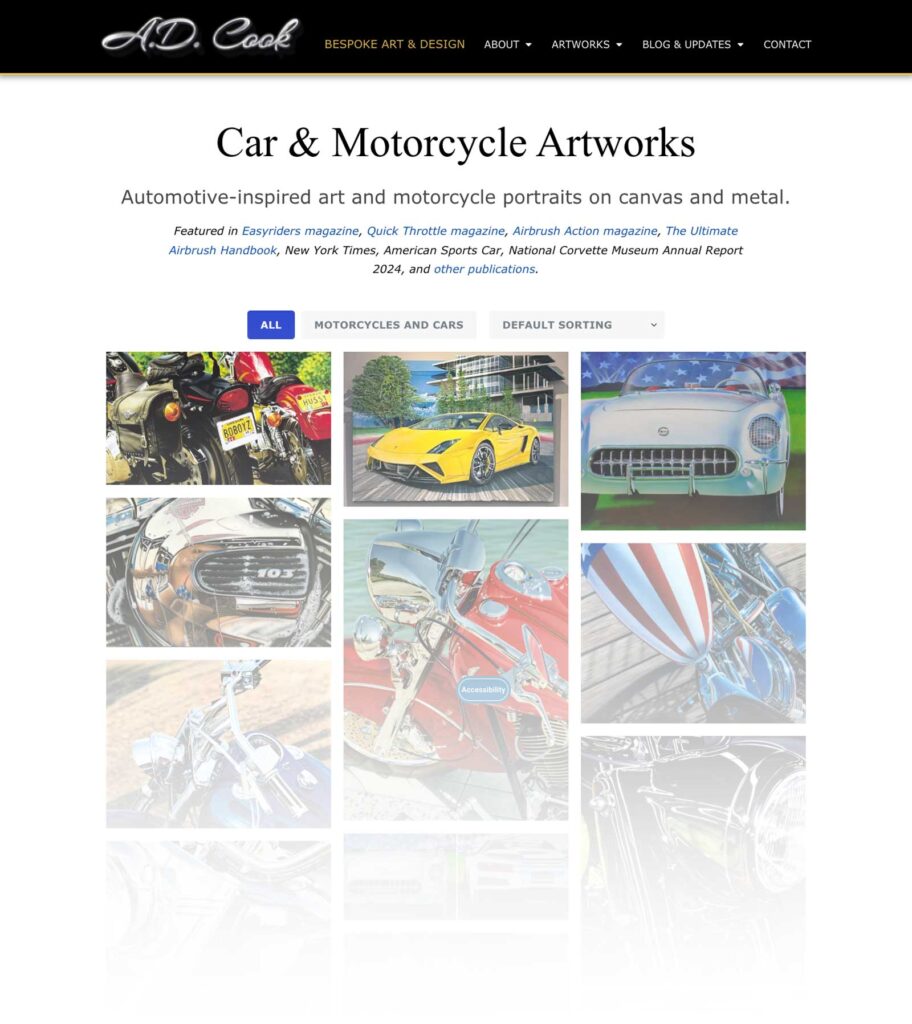
 What started as a simple website when websites were the “new cool thing” has grown into a 76-page, 777-post (so far) website with nearly 200 original artworks and airbrushed murals created over a lifetime, along with a few dozen ACEO Cards I’ve been enjoying creating lately. This website has grown into a digital timeline of content created before AI was the next new cool thing. Until most recently, I wrote my website posts by hand, from content created mainly by hand, by a couple of other contributors, and me.
I must confess, though, as I have in previous posts, I’ve come to enjoy using a little AI in my image editing and in my writing. And, truth be told, I’m not so sure you would want to read my pre-edited rants. Over these past few years, I come to rely on Grammarly to correct my typos, wandering thoughts, and such.
 But, first and foremost, this website functions as my online portfolio and creative journey. Still, it is also about sharing others’ art, technology, and creative inspiration and inspiring other seekers and creative souls through my shared observations and stories about art, cars, life, and creative energy exchanges.
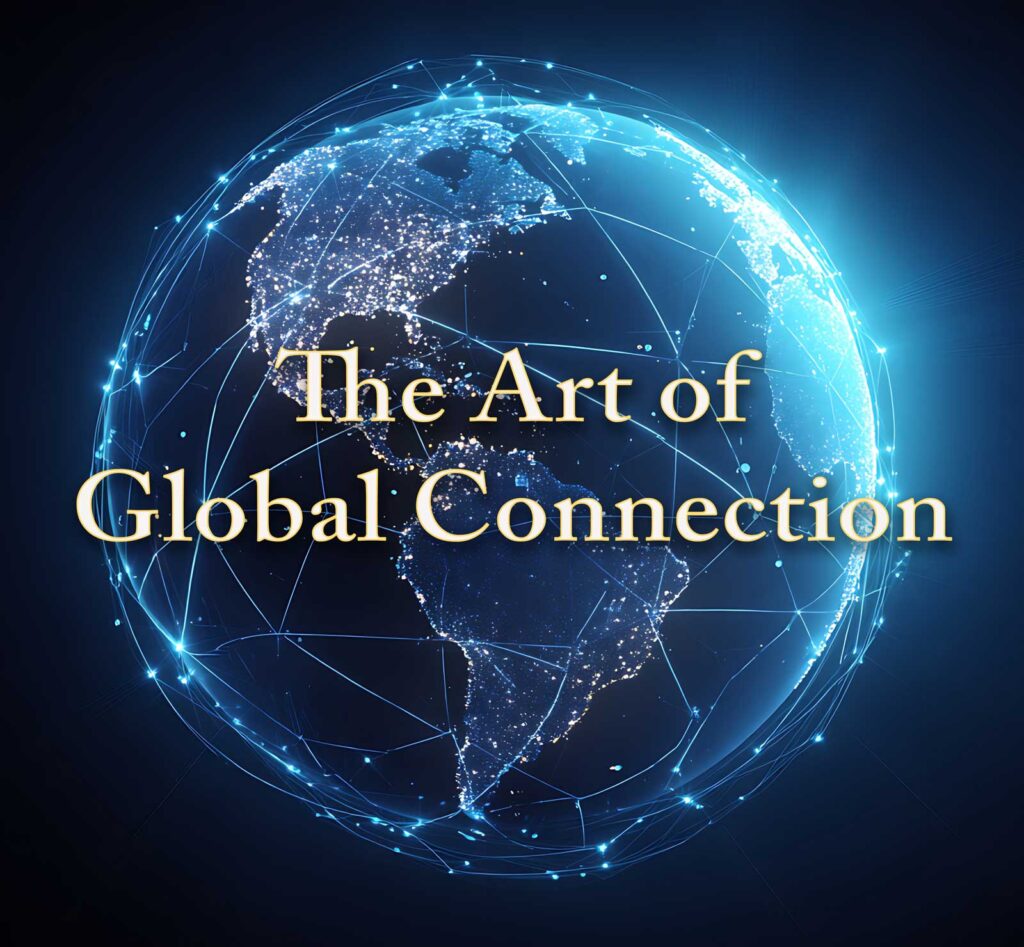
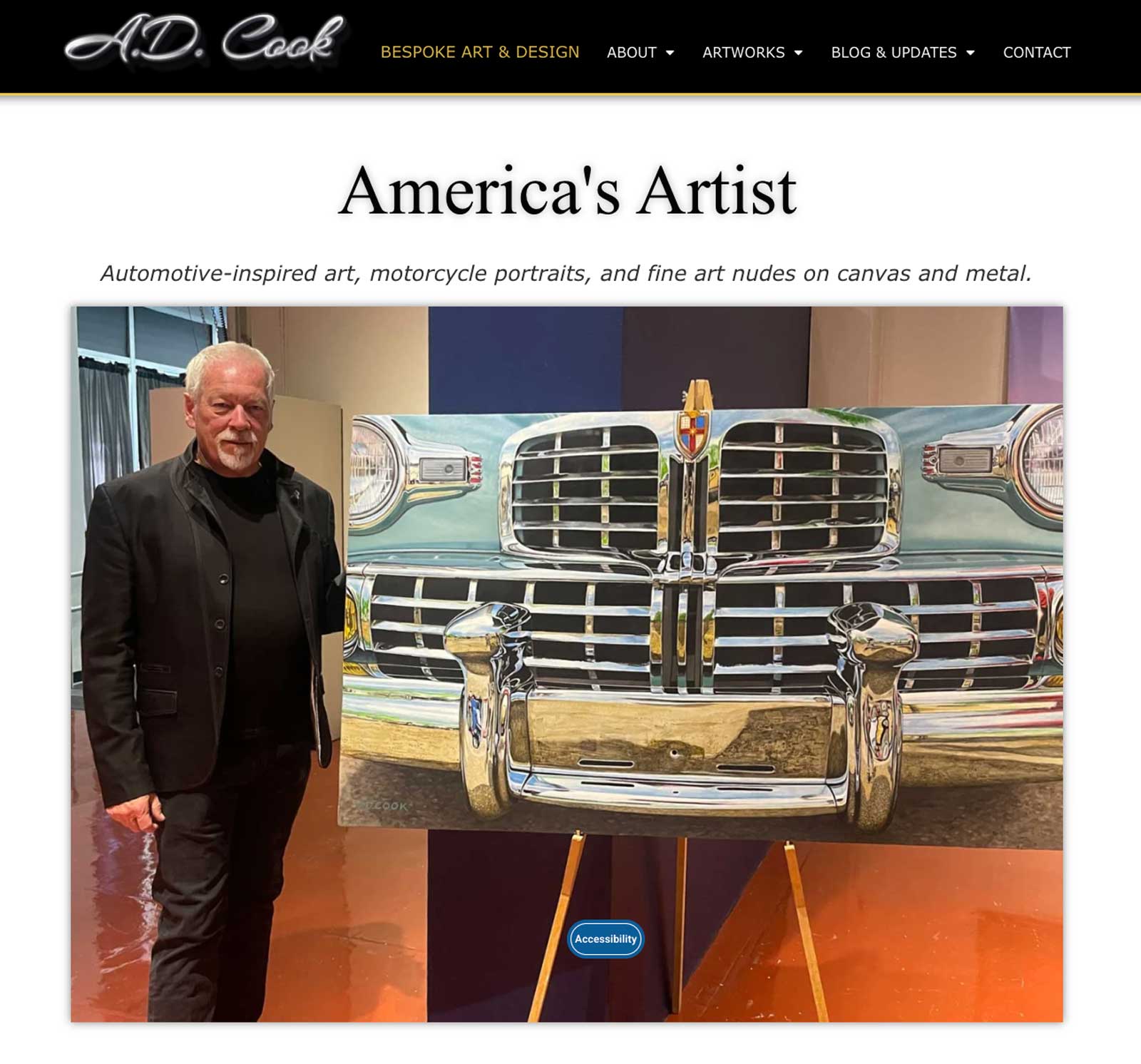 This site is definitely one of the roughly 201 million active websites in the world, with about 146 million in the United States alone. The ADCook.com website has been active and maintained since 1996, when there were fewer than a quarter-million worldwide websites worldwide. The Internet back then was like the wild west. It was a blank slate of creativity, so long as you had a fast dial-up connection. As a fun factoid, of the top ten websites of 1996, only one remains (Yahoo.com). I often joke that… “The ADCook website has been on the information highway since it was paved in cobblestone.” Now, as we’re truly entering a super highway period, it’s more fun and exciting than ever.
I endeavour to keep this website exciting, creative, and tech current. Over this website’s 30 years (launched in 1996), I’ve enjoyed keeping up with web technology, from website design and development to SEO and everything it takes to keep a large, engaging website alive.
A lot has changed about websites, what they do, and how they work, especially with AI rapidly taking over most every aspect of it.

With so many advanced AI interactions, aesthetic and visual identity considerations, technical and functional trends, one has to ask whether it’s art or science, or maybe both, mixed with some magic. Sometimes, I’m azaded that any of this even works at all.
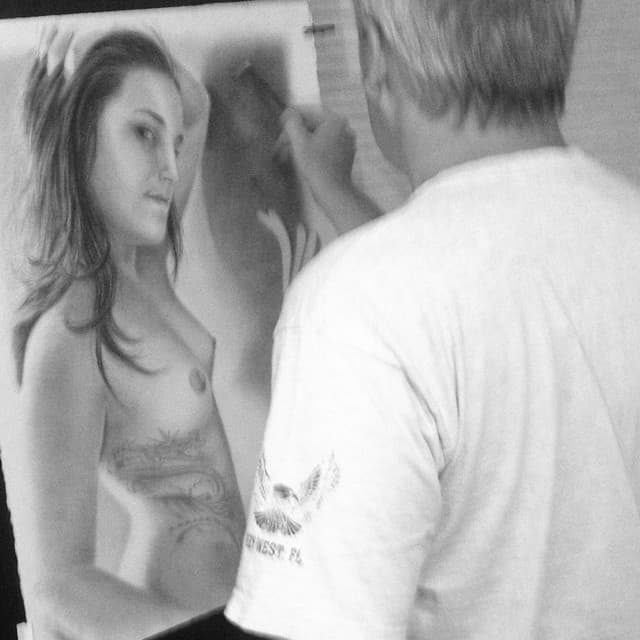 As an artist, I hope AI is used as a tool rather than a crutch. I’m not yet convinced that typing a prompt into an AI program makes anyone an artist, anymore than having AI create a song makes you a musician. And that is what separates art from technology — the human element.
Creating anything is so much more than making a thing. It’s about the journey, who we meet, and what we learn along the way. So, as I boldly trek forward, creating and sharing my art and story here with the help of a few fellow storytellers and sharers of knowledge, I’ll tread deeper into the AI world. The fact is, you can’t truly escape it at this point. AI is here to stay and is growing, but whether good or bad, each of us has a choice about how we use it. Through our creative efforts, we are feeding the beast.
Art is about creating, not so much about shortcuts. It’s the journey and the creative process that excite me. So while I geek out on the website, my heart for art leans toward the traditional side. It’s pencils, paint, and paper, time at the easel, if only to create for no other reason than to create. It’s a human thing.
Cheers to a creative 2026!
- About the Author
- Latest Posts
- More info

A.D. is an artist who started drawing at a young age. Throughout his life, he has worked with different creative tools in traditional and digital art and design. His art and writings are showcased in various publications such as Airbrush Action Magazine, Airbrush Magazine, American Art Collector, America’s Sports Car magazine, Art & Beyond, Easyriders, Las Vegas City Life, Las Vegas Weekly, L’Vegue, ModelsMania, Quick Throttle, The Ultimate Airbrush Handbook, America’s Sports Car, The New York Times, and The National Corvette Museum 2024 Annual Report.