Who Are You?
You know, back in the day, when someone said, “I’m only human,” it kinda felt like a soft excuse for messing up or forgetting stuff. But now, it seems to carry a weight of affirmation, a reminder that everyone struggles at times, and it’s completely normal to falter. It was almost as if it were a way to justify our imperfections and the little slip-ups that happen in life.
For centuries, when someone asked, “Who are you?” people answered with their profession, declaring, “I’m a doctor,” or “I’m an artist.” Their work became their identity.
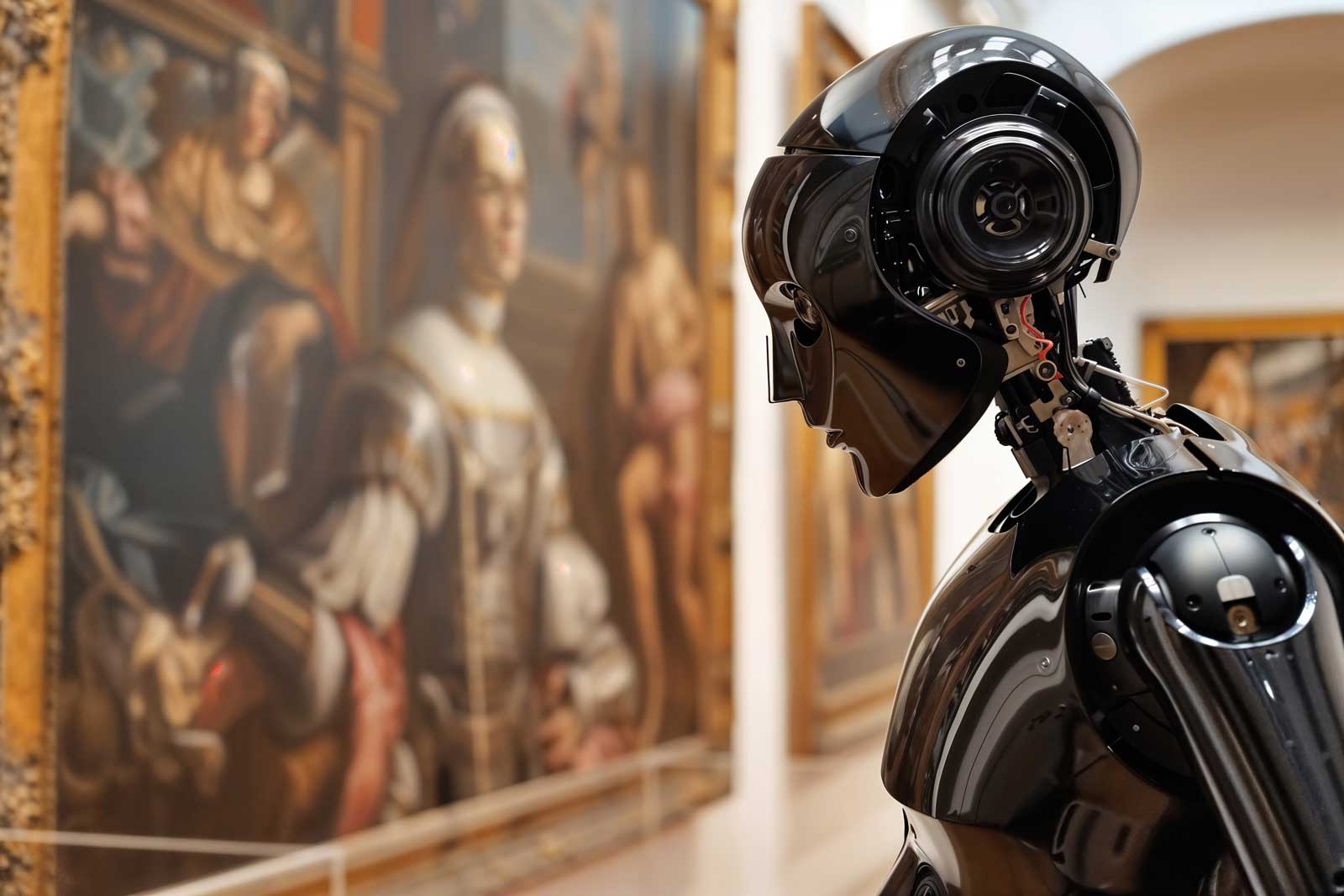
Now imagine an AI that can write code, do research, or perform a great many tasks that people do now. This new reality forces us to redefine the parameters of skills and capabilities, as machines increasingly take on tasks traditionally performed by humans. Maybe not perfectly now, but well enough to get the job done.
Nevertheless, the prospect of sharing the workplace with machines raises personal doubts and fears about remaining relevant. Suddenly, a terrifying question appears: what happens if I’m replaced?
Most people believe that AI will threaten their livelihood, and that may very well happen. Yet, it’s essential to remember that our humanity involves much more than just our professions. But the more serious threat is that you may lose yourself, or at least the meaning of being identified as something: a doctor, a plumber, a designer.
At some point, we may all have to ask ourselves, “If I am not defined by my job, then who am I? A role? A title? A salary? Or maybe something deeper.“
Being human is actually pretty cool, and it comes with a unique set of experiences, emotions, and opportunities for growth that make our journey truly worthwhile. Our ability to empathize, innovate, and experience the world uniquely sets us apart in an age increasingly dominated by technology. In fact, embracing our humanity allows us to connect on a deeper level; we share laughter and tears, triumphs and failures.
Through our connections and shared experiences, we use our collective narratives to reinforce our identities. Every moment, whether joyous or challenging, is an integral part of our existence that ultimately shapes who we are. It’s these connections that underscore the essence of being human amid the rapid advances in artificial intelligence.
Celebrating our human experiences reminds us that it’s okay to be vulnerable, to learn from our mistakes, and to continue evolving as individuals and as a community.
Ultimately, while AI may change the landscape of work, it can never replicate the richness of our life experiences and relationships.
A New Era
Times are changing rapidly. As we delve deeper into the fascinating world of robots and artificial intelligence (AI), the line between our perceived reality and the intricacies of the human experience becomes increasingly blurred with each passing day. This transformation occurs not only with the advent of each new technological innovation but also in the ways these innovations influence our daily lives and interactions, ultimately redefining what it means to be human in an age of advanced technology.

Computer-Rendered Artificial Pictures
Throughout the art community, computer-generated AI images are now fondly being referred to as CRAP — Computer-Rendered Artificial Pictures.
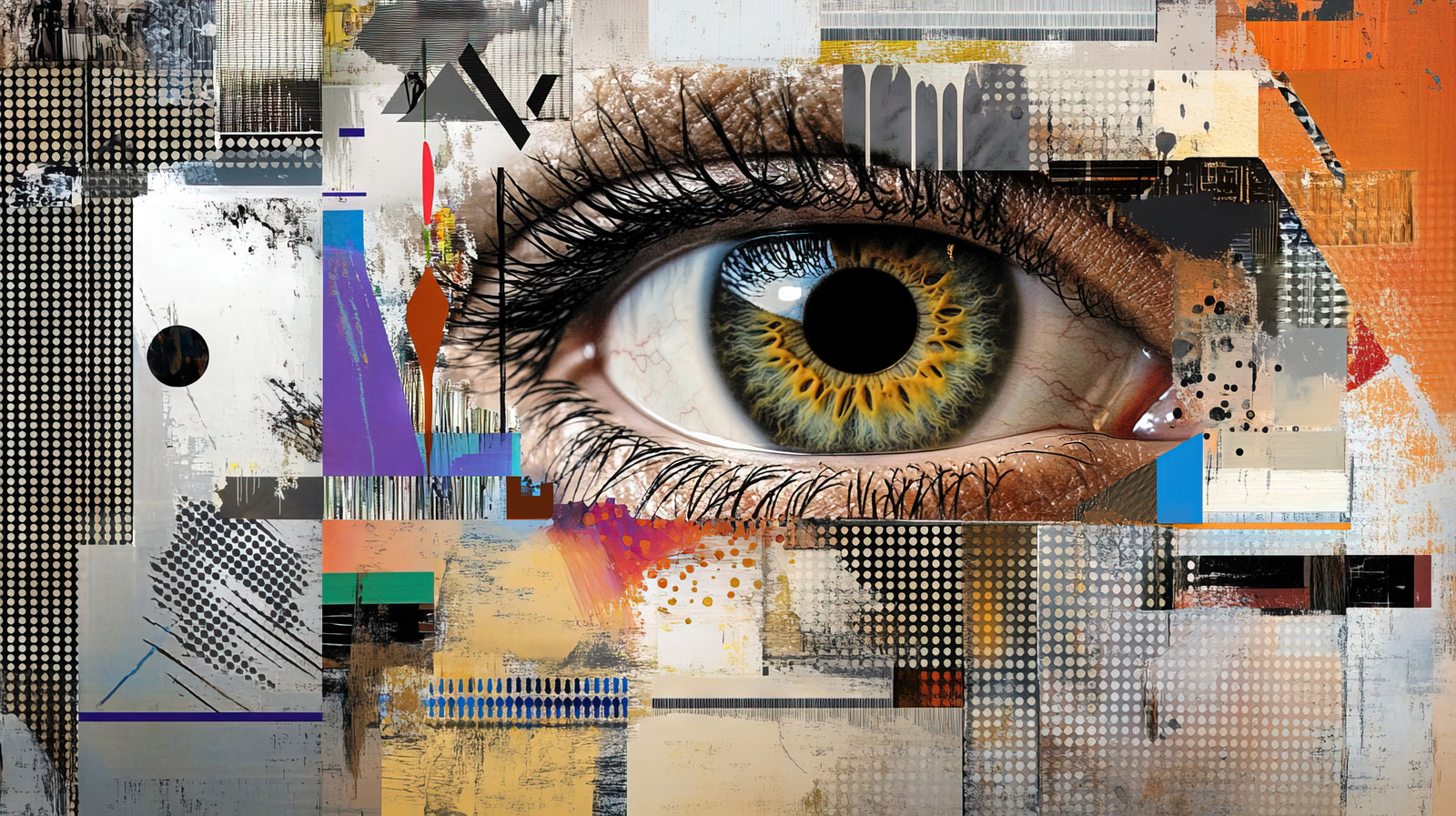
Today, it’s anybody’s guess whether what they are seeing is real or fake (AI-generated). In this rapidly evolving digital landscape, discerning authenticity has become a daunting challenge, prompting many to question the nature of reality itself.
We are bombarded daily with an overwhelming influx of images through various media channels and social media platforms, making it all too easy to feel inundated. This constant exposure not only affects our perception but also deeply influences how we create and consume art, music, and entertainment. These are traditionally human traits that reflect our emotions, experiences, and aspirations.
However, AI, with its advanced algorithms, has been meticulously trained to mimic our innate need for creativity and expression. As a result, it is quickly taking over the creative space, mass-producing content of all varieties, much of which lacks the depth, soul, and authenticity that characterize human-made works. This shift raises important questions about the future of creativity and what it truly means to be an artist in an age of artificial intelligence.
Humanity's Provenance
The tables are turning, and a new era of design is upon us. The landscape of creativity is evolving rapidly, and those who embrace this change will flourish.
I recall the transformative moment when computers became essential for graphic designers. With the dawn of digital tools, many creators found their skills tested against machine-generated outputs. Designers (myself included) poured countless hours into mastering technology to produce flawless, press-ready files. The industry demanded it.
The computer is an essential tool for graphic design. There is just no way to produce anything print-ready without technology. Our relationship with technology is growing, and our design philosophy must evolve in tandem. It has always served us.
Art is different from design. The irreplaceable touch of the human hand brings a depth that technology cannot replicate.
In recent years, as AI has emerged, we find ourselves competing with advanced technology and digital art. As artists, we are called to embrace these innovations while safeguarding the essence of our craft. It even takes our work and reinterprets it in its unique way. This shifting landscape demands both reflection and creativity. We now create alongside it.
Perhaps this is why I cherish hand-made art. The tactile bond with materials and the exhilaration of spontaneous creation fuel my artistic spirit. It’s a profoundly human experience.
The value of provenance is also why I champion documenting the creative journey. Sharing our stories and experiences enriches our creations with deeper meaning. In today’s world, it is vital to showcase your process and art—these reflections affirm their authenticity.
In a landscape governed by algorithms, our narratives hold the power to set us apart.
Human-made is the new luxury. And it's only going to get more valuable.
AI May Increase the Value of Original Art
The Internet is rapidly filling with AI-generated imagery in unprecedented ways. As a result, people are already experiencing visual fatigue and overload, struggling to find authenticity amid the saturation of these digital creations.
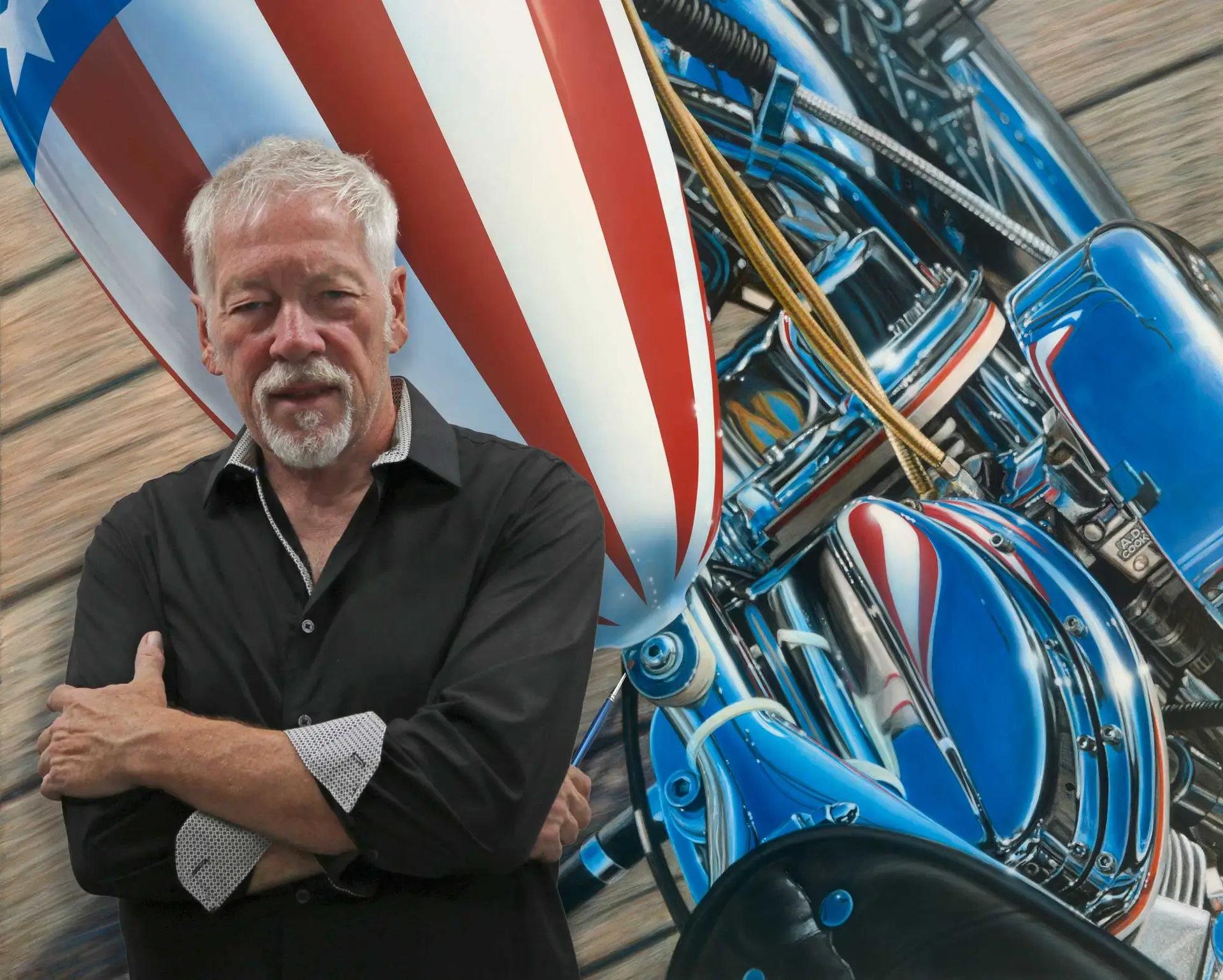
Human-made work feels fundamentally different and possesses a unique essence. Elements like texture, imperfection, and the palpable presence of the artist’s hand still matter and resonate deeply with audiences.
Collectors don’t just buy images for their aesthetic appeal. They buy stories, connections, and meaning behind them that evoke emotions and create lasting impressions. Distinctive artistic voices continue to stand out even more brightly in this crowded landscape, offering a rare glimpse into the creators’ individual perspectives.
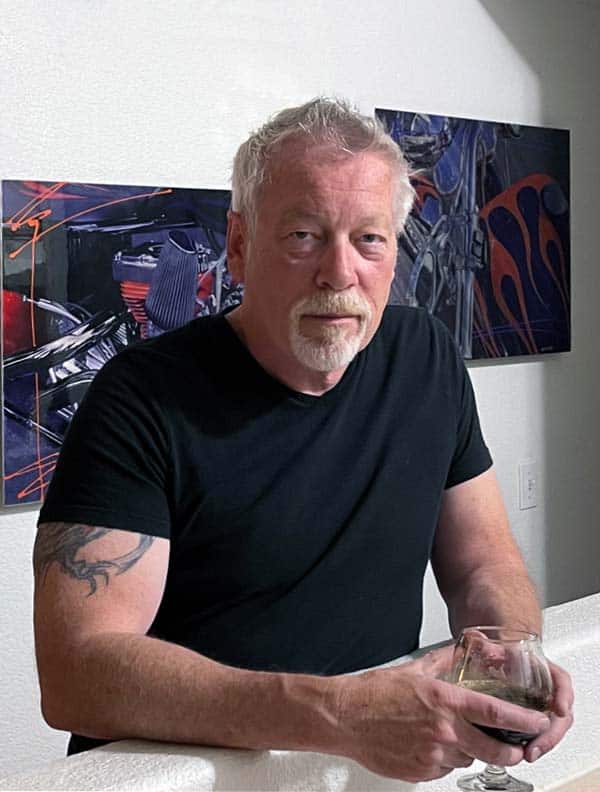
This isn't the end of artists; rather, it marks a significant shift toward authenticity and recognizability in art. The quest for genuine expression and unique viewpoints is more important now than ever before.
As an artist and creative individual, I find immense joy in expressing myself through various media, including drawing, painting, writing, and photography. Embracing my humanity, I see life as a full-on creative journey filled with continuous learning and self-discovery.
Who made up the arbitrary rule that one must pick just one thing to pursue? Why limit ourselves when we have the capacity to paint, write, sing, bake, and create an endless array of wonderful things? Embrace the idea of being a walking art gallery, showcasing the richness of your multifaceted talents. You’re a multidimensional being—don’t shy away from it, but rather act like it and let your creativity flow freely in all its forms.
I am a huge fan of a polymath mindset. So, what is a polymath? A Polymath is defined as someone who excels in multiple fields of knowledge. Today, we might refer to that person as “a jack of all trades” — and some might suggest “a master of none.” I have to laugh at the master of none, though. I believe that a polymath is a person of many talents who also masters a few skills along the way. (click here for my post, Are You A Polymath?)
“A jack of all trades is a master of none, but often times better than a master of one.”
— William Shakespeare Tweet
You, Me & AI
AI is a very hot button topic among creatives these days – some love it, some don’t. I’ve actually had discussions with fellow artists who have fully embraced AI and insist it is the future of creativity. It’s quicker, it’s cheaper, and, honestly, it’s way more convenient overall.
Well, maybe it is. But it’s not for me.
AI is definitely not going away. The overarching goal isn’t merely to compete with artificial intelligence or to diminish its incredibly valuable role in the vast creative realm. Instead, it’s fundamentally about becoming more fully yourself in your work while embracing and celebrating the unique talents and distinct perspectives that AI cannot replicate. Each individual has their own unique artistic voice and creativity that contribute to the richness of the artistic landscape.
I hope that we, as artists and creators, don’t hand our creative energies entirely to computers and AI. My dream is to keep my art as human-created as possible. If you see my art on a website, or on this very platform, I absolutely guarantee it is not AI-generated and never will be. As an artist, not an algorithm, I will continue to pour my heart and soul into every piece I create. That is my promise.
A.D.
Technology Should Strengthen Human Creativity, Not Undermine It

CREATORS COALITION ON ARTIFICIAL INTELLIGENCE
Recently, the tech industry has announced a rapid series of agreements that have deeply alarmed the creative community. With generative AI evolving so quickly, creators need to come together, get on the same page, and leverage our collective power. Pledge your support on the CREATORS COALITION ON AI website.
Article images © Adobe Stock AI. Licensed for editorial.
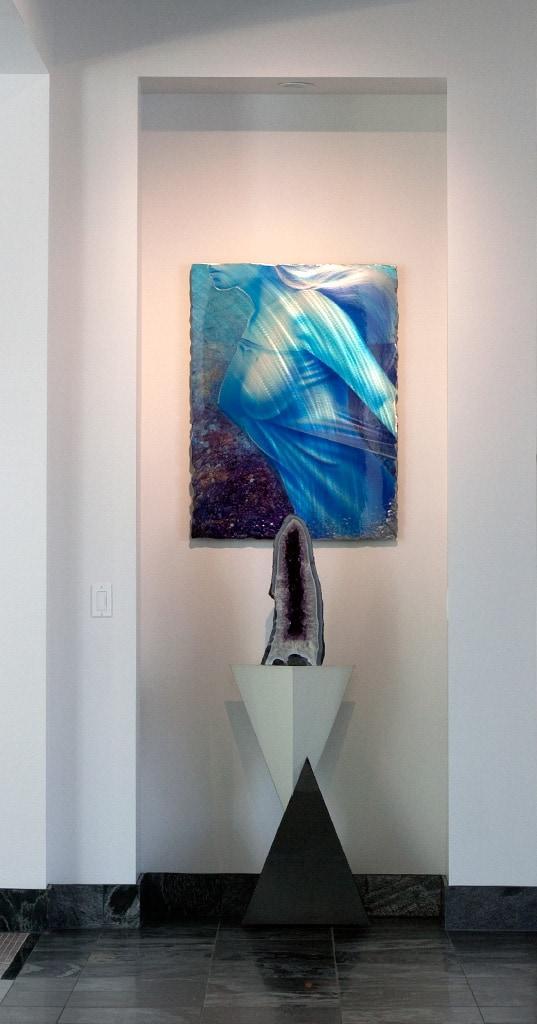
Metal art nude photo © 2012 A.D. Cook
Artist with car painting © 2025 A.D. Cook
• • • • •
Full disclosure: I occasionally use AI for a variety of tasks, mostly for editing car show pics and using fun, engaging images that can be found across this website. However, I never truly consider these AI-generated creations “Art,” nor do I refer to them that way, because they lack the human touch and emotional depth that authentic art conveys. They are mostly for editorial and entertainment purposes.
- About the Author
- Latest Posts
- More info
A.D. is an artist who started drawing at a young age. Throughout his life, he has worked with different creative tools in traditional and digital art and design. His art and writings are showcased in various publications such as Airbrush Action Magazine, Airbrush Magazine, American Art Collector, America’s Sports Car magazine, Art & Beyond, Easyriders, Las Vegas City Life, Las Vegas Weekly, L’Vegue, ModelsMania, Quick Throttle, The Ultimate Airbrush Handbook, America’s Sports Car, The New York Times, and The National Corvette Museum 2024 Annual Report.