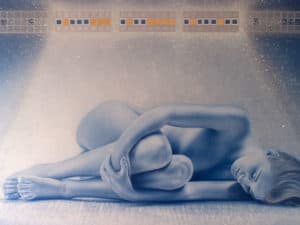
The artist vs. AI battle over copyright and creative infringement has been ongoing for a while now. Up until just recently, the big question was “Are A.I. images art, and if they are, who created the art, and so who owns the copyright to the images created?“
 Finally, a ruling has been set, and it’s a victory for artists and musicians alike. Recently, the Supreme Court declined to review the appeal, holding that AI-generated artwork is officially ineligible for copyright protection and that artworks must have a human creator to be eligible under US law.
I, for one, could not be happier about this. Regular readers of my posts know I am no fan of AI-generated images and really don’t even consider them art. In fact, aside from this post, I never connect the words “AI” and “Art”; instead, I refer to it as AI imagery.
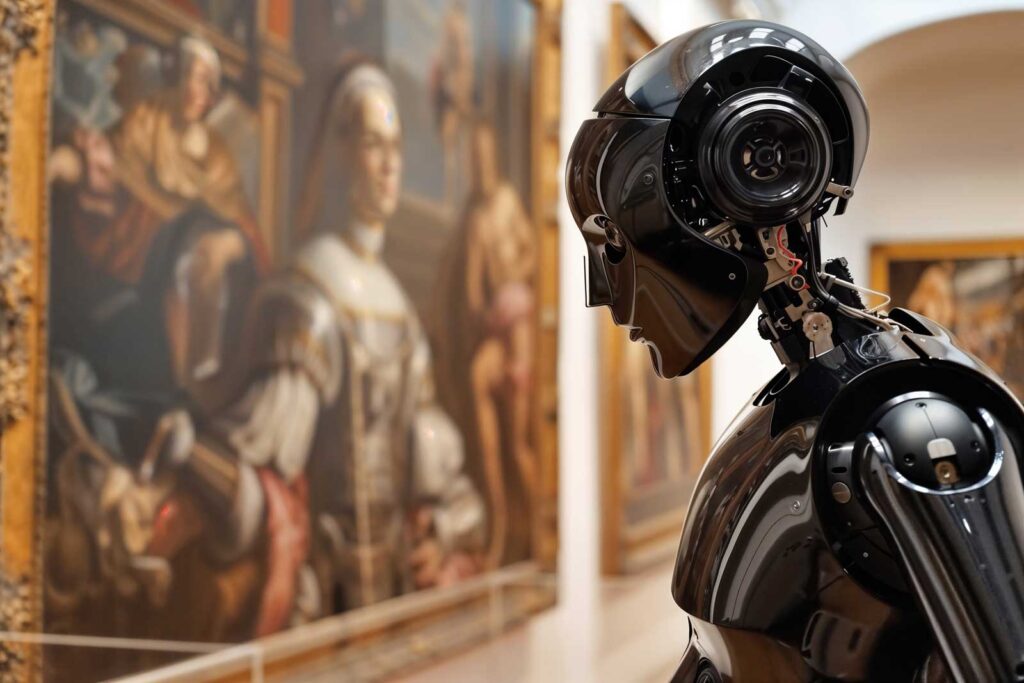
I don’t believe that AI technology or robots can create art. Sure, they can produce images (which are mostly created via stolen content previously created by humans), but art, as I understand it, comes from the soul, and machines have no soul. For that matter, the creators of the AI software and algorithms are equally soulless, since they intend to remove the artist from the creative process altogether.
True creative value lies in the hands of the creator. So, if AI is creating images without copyright protection, who owns them?
When artists create something, anything, they own the copyright, which offers a level of protection from those who use the art without the artist’s consent. AI has been infringing on artists’ ownership rights without their permission for some time now, so this recent Supreme Court decision is epic in helping creators own their works.
 Recently, the tech industry has announced a rapid series of agreements that have deeply alarmed the creative community. With generative AI evolving so quickly, creators need to come together, get on the same page, and leverage our collective power.
The Creators Coalition on Artificial Intelligence (CCAI) recognizes both the immense business potential of this technology and its capacity to unlock genuine creative progress. But, without robust guardrails and shared standards, this rapid, uncoordinated deployment threatens to devalue creative labor, erode our trust in what we see and hear, and undermine human creativity itself. Read more here.
- About the Author
- Latest Posts
- More info
A.D. is an artist who started drawing at a young age. Throughout his life, he has worked with different creative tools in traditional and digital art and design. His art and writings are showcased in various publications such as Airbrush Action Magazine, Airbrush Magazine, American Art Collector, America’s Sports Car magazine, Art & Beyond, Easyriders, Las Vegas City Life, Las Vegas Weekly, L’Vegue, ModelsMania, Quick Throttle, The Ultimate Airbrush Handbook, America’s Sports Car, The New York Times, and The National Corvette Museum 2024 Annual Report.